

Pressure vessel maintenance
Pressure vessels must undergo periodic inspections. For example, pipes in a boiler should be tested at test pressure before the air cools in summer. Missing pipes should be replaced. Failures and damage caused by faults in pressure vessels are directly related to the level of knowledge of technical personnel. To train a knowledgeable staff, these individuals can be fully trained in maintenance, attitude, service, repair, etc.
Even in a fully automated facility, there is a technical person who must press a button in a certain situation. Whether this person presses the button at the right or wrong time can lead to the rescue or destruction of this facility. It is an undeniable fact that manufacturing pressure vessels and boilers in accordance with standards and regulations, which we believe hold an important place in the development of our manufacturing industry, is essential.
Pressure Vessel Regulations and Main Headings
The main pressure vessel regulations around the world are listed below:
TSE, Turkish Standards Institute – Boiler and Pressure Vessel Regulations
TL, Turkish Lloyd – Boiler and Pressure Vessel Regulations
GERMANY, AD-Merkblaett, Anleitung für Druckbehaelter – Regulations for Pressure Vessels
GERMANY, TRG, Technische Regeln Druckgase – Technical regulations for pressurized gas vessels
GERMANY, TRD, Technische Regelung für Dampfkessel – Technical regulations for steam boilers
USA, ASME, American Society of Mechanical Engineers – Regulations for boilers and pressure vessels
NORWAY, DnV, Det Norske Veritas – Boilers and Pressure Vessel Regulations
ITALY, RINA, Registro Italiano Navale, Boiler and Pressure Vessel Regulations
United Kingdom, BS, 5500 British Standards Institution
UK BSS, British Standard Specification
SWEDEN, Swedish Pressure Vessel Codes – Swedish Pressure Vessel Regulations
JAPAN, Japanese Pressure Vessel Codes – Japanese Pressure Vessel Regulations
JAPAN, Japanese Std. PV Construction – Japanese Standard for the Construction of Pressure Vessels
JAPAN, Japanese High Pressure Gas Control Law – Japanese High Pressure Gas Control Law
GERMANY, Werkstoff-Und Bauvorschriften für Anlagen der Dampf-und Drucktecnik – Material and Construction Regulations for Steam and Pressure Plants
FINLAND, SFSr Standards
USSR, Regeln für Entwurf und Betriebssicherheit Von Druckbehaetern, Rules for the Design and Operational Safety of Pressure Vessels
CANADA, CSA Standard B 51-1972
FRANCE, Bauschriften für Druckbehaelter des Syndicat National de la Chaudronnerie,
SNCT Industrial (SNCT) Construction Rules for Pressure Vessels
NETHERLANDS, Rules for Pressure Vessels
BELGIUM, General Guard Defense (RGPT)
Formula (Pressure Vessels)
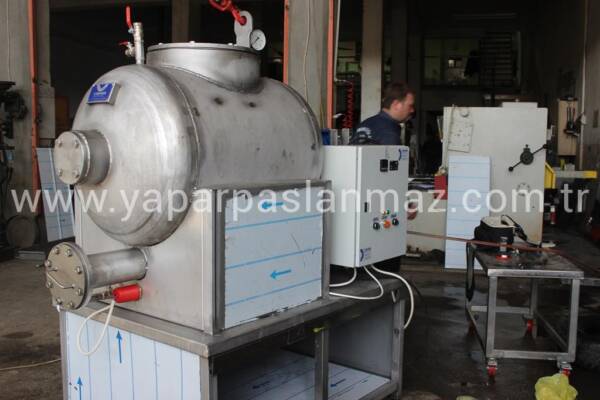
- Pressure or vacuum above atmospheric pressure; boilers, cooking vessels, collectors, or other vessels containing steam, gas, and liquid are called pressure vessels.
- Generally, closed vessels exposed to pressure from inside or outside are called Pressure Vessels.
- Generally, closed vessels exposed to pressure from inside or outside are called Pressure Vessels.
However, the pressure vessel descriptions here include nuclear reactors. Rotary or piston machine cylinders and parts, pumps, compressors, turbines, hydraulic and pneumatic cylinders, etc. are not considered pressure vessels. Therefore, pressure vessel design rules do not apply to them. Special design rules apply to these.
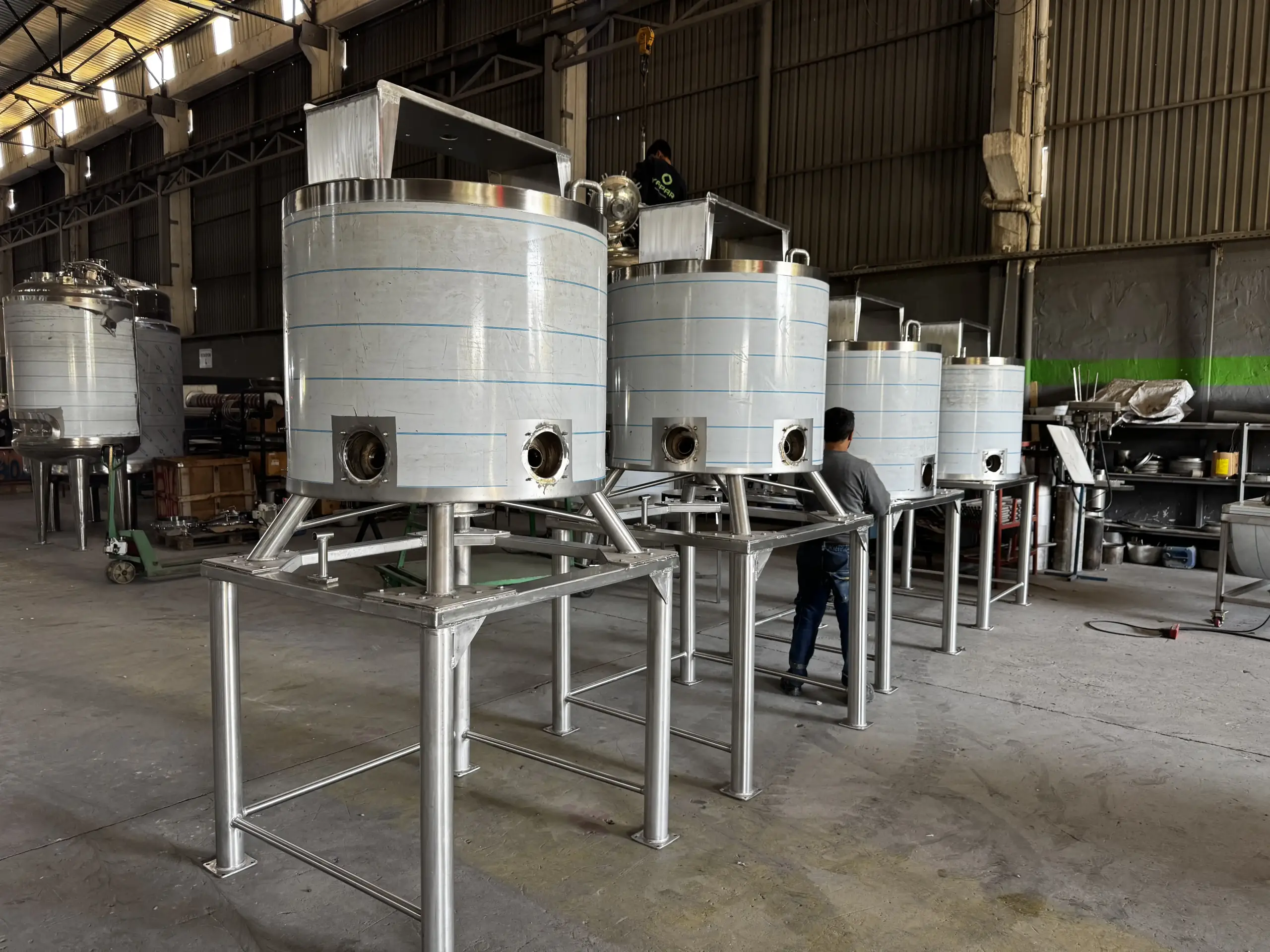
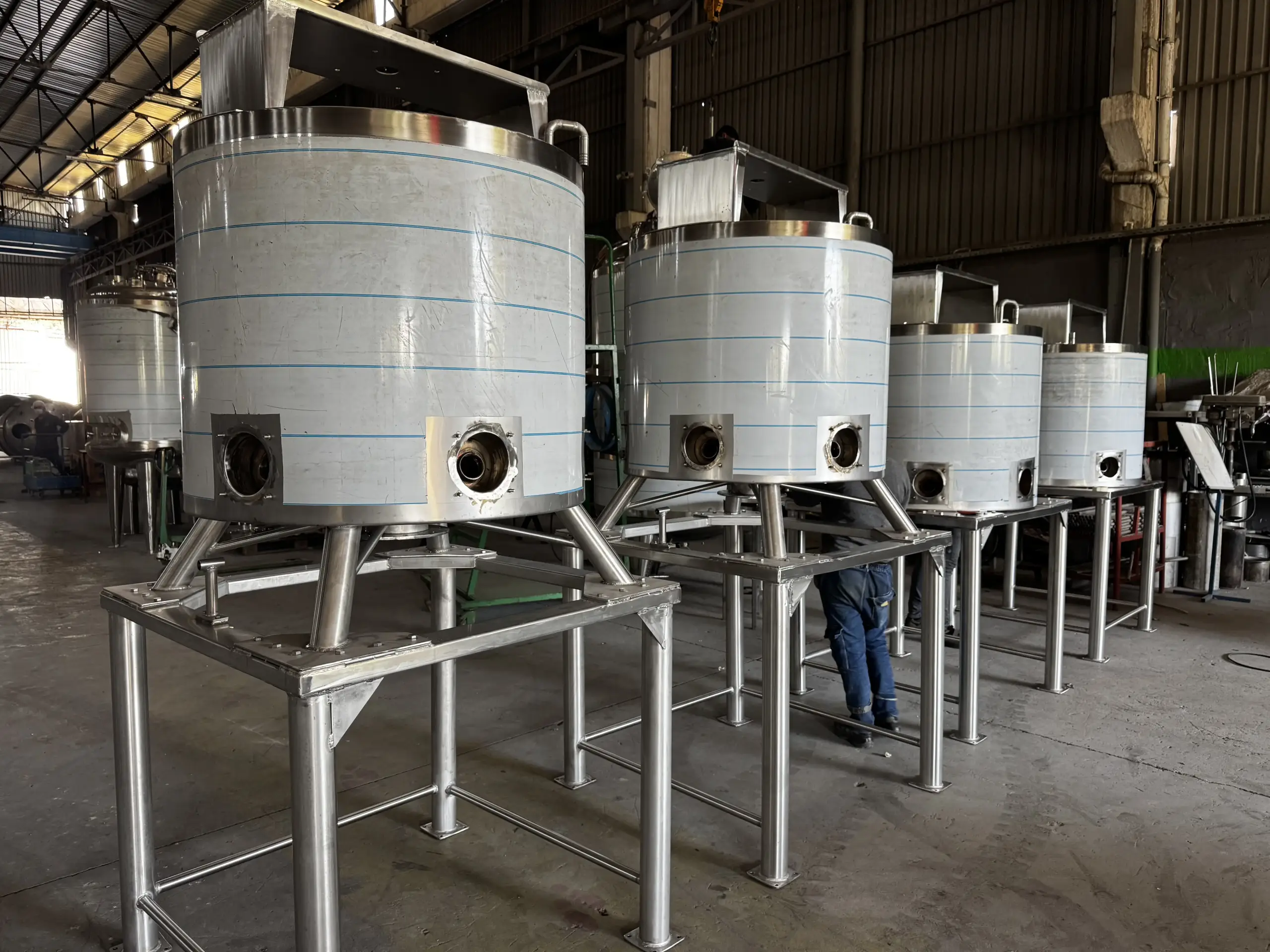
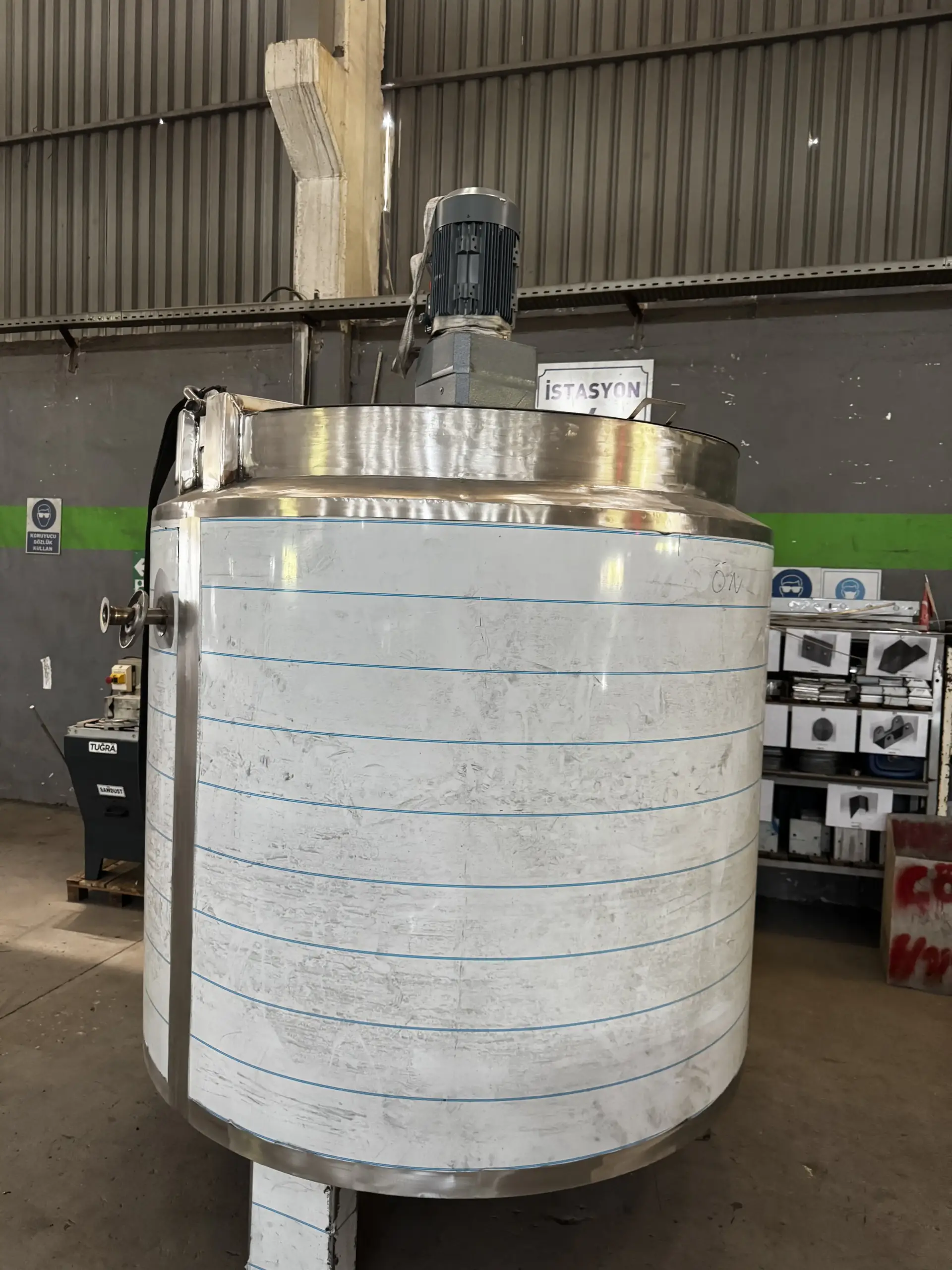
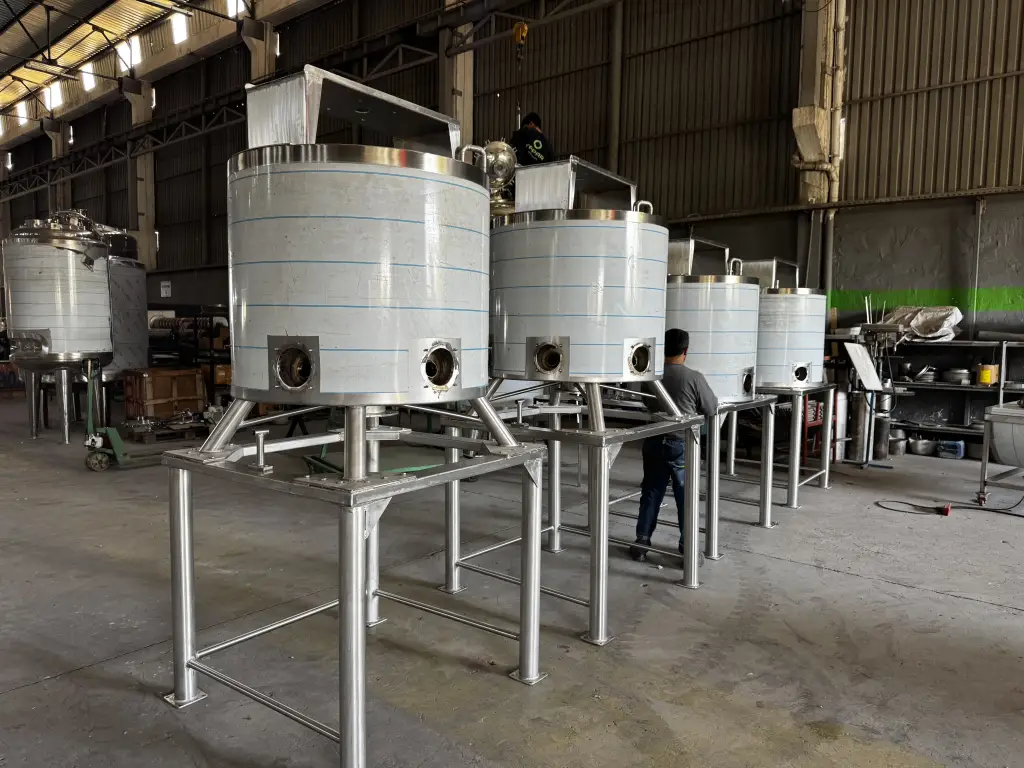
Depending on the raw material to be produced or mixed, 304 or 316 grade stainless steel is used.
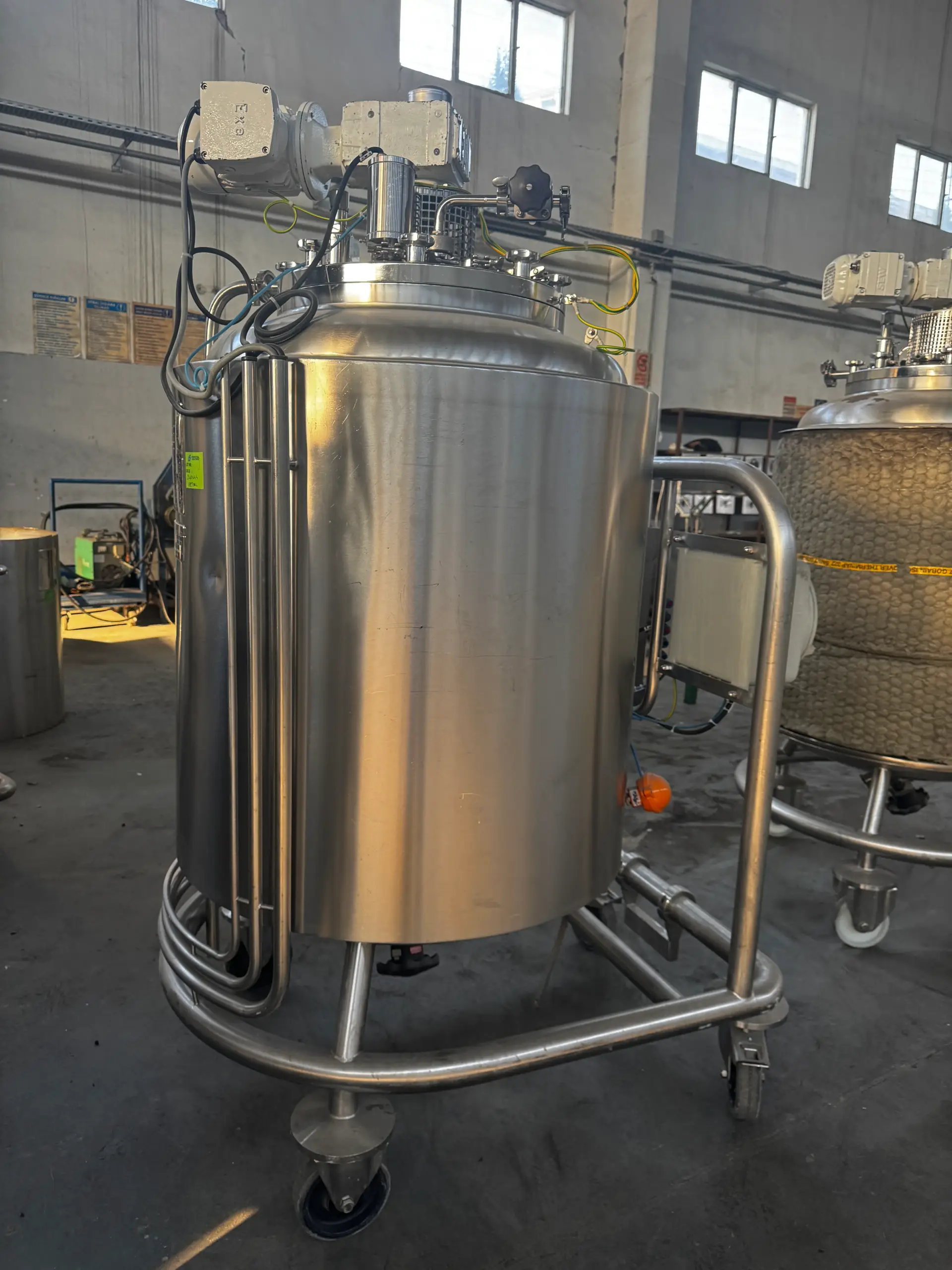
Production features of pressure vessels and reactors:
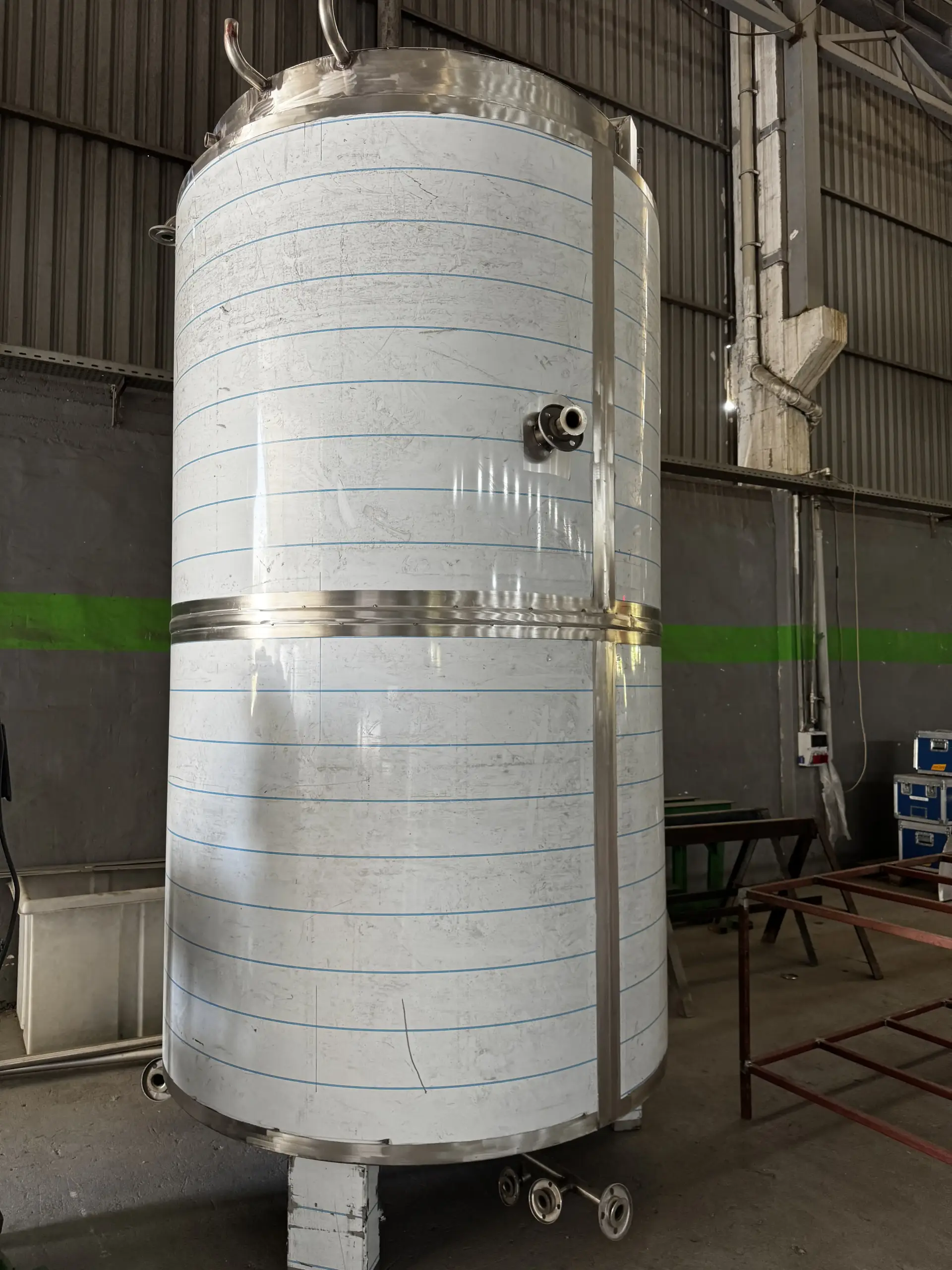
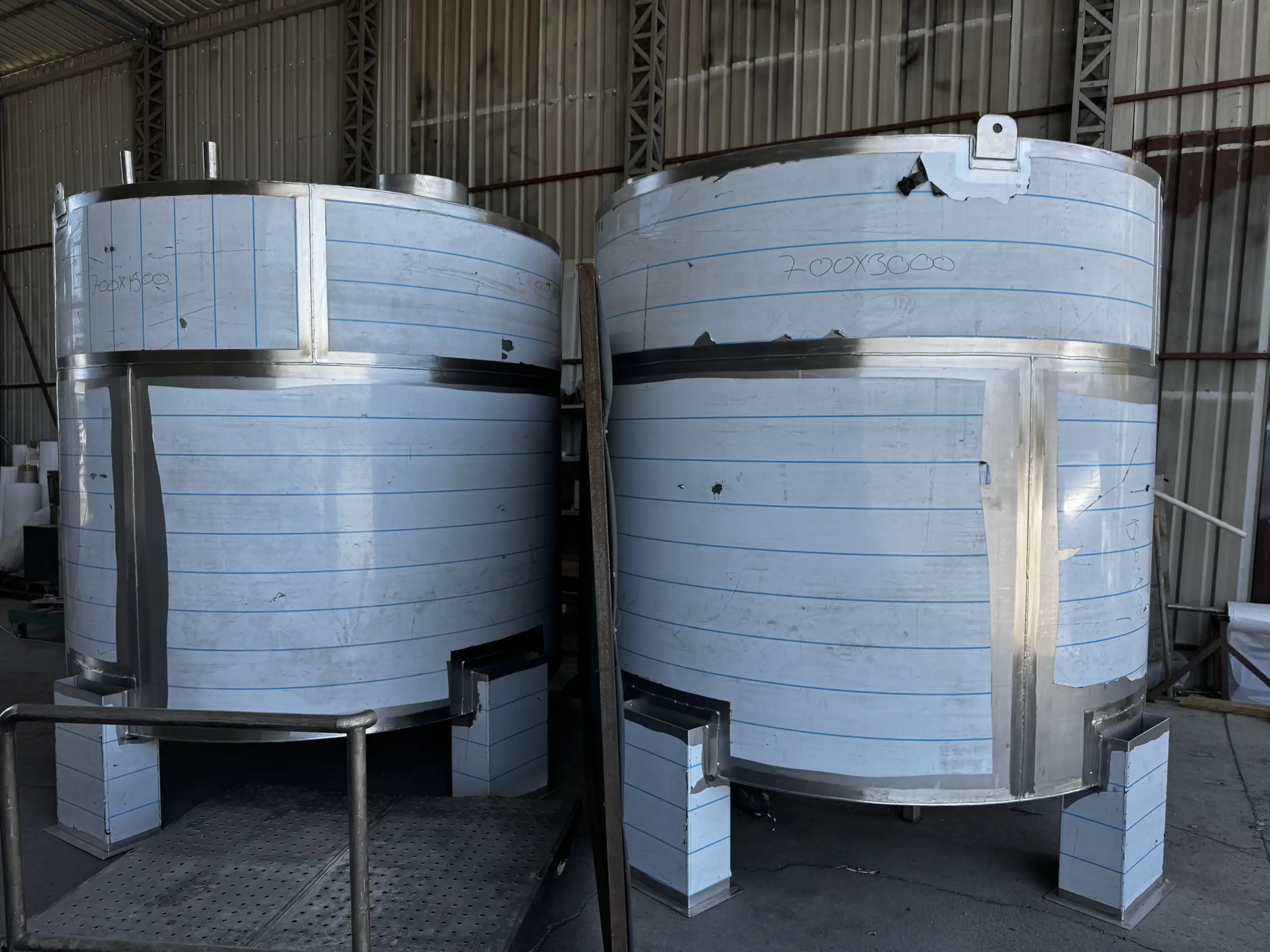
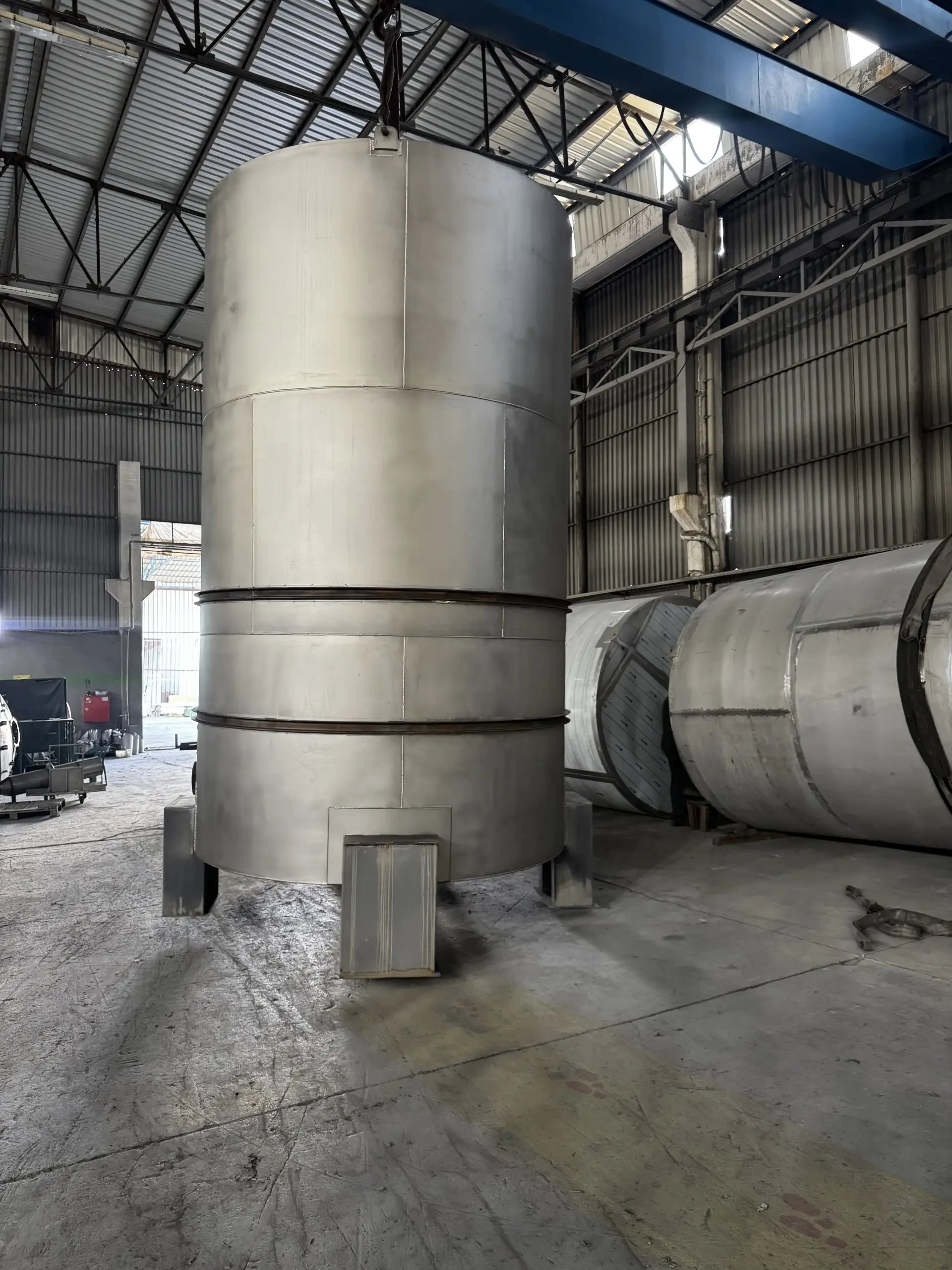
- They can be produced with coil or jacket heating and/or cooling systems.
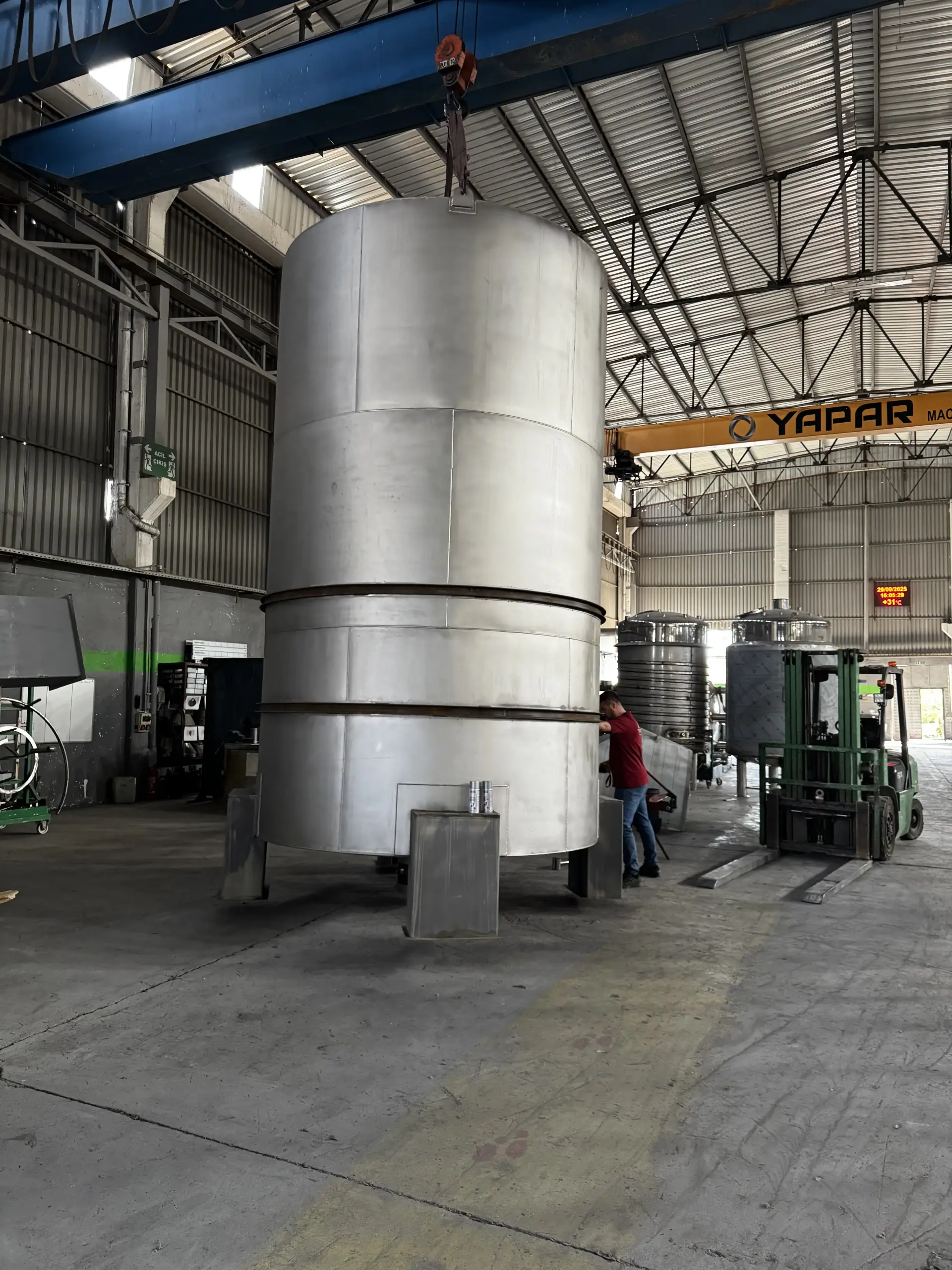
- We can produce stainless steel reactors according to the desired capacity, chemicals to be used, and the area to be installed.
- We produce economical reactors according to customer requests and needs.
- In addition, maintenance/repair and revision work is carried out on reactors.
- Internally cooled stainless steel reactors are available.
- Design and manufacturing in accordance with international standards
- High quality and long life guarantee
- AISI 304, 316, 316L, 316Ti quality and certified stainless steel material
- Heating and cooling via jacket or half-pipe coil on the outer shell, and via pull-through pipe coil on the inside
- Withstands 16 bar pressure and 300°C temperature
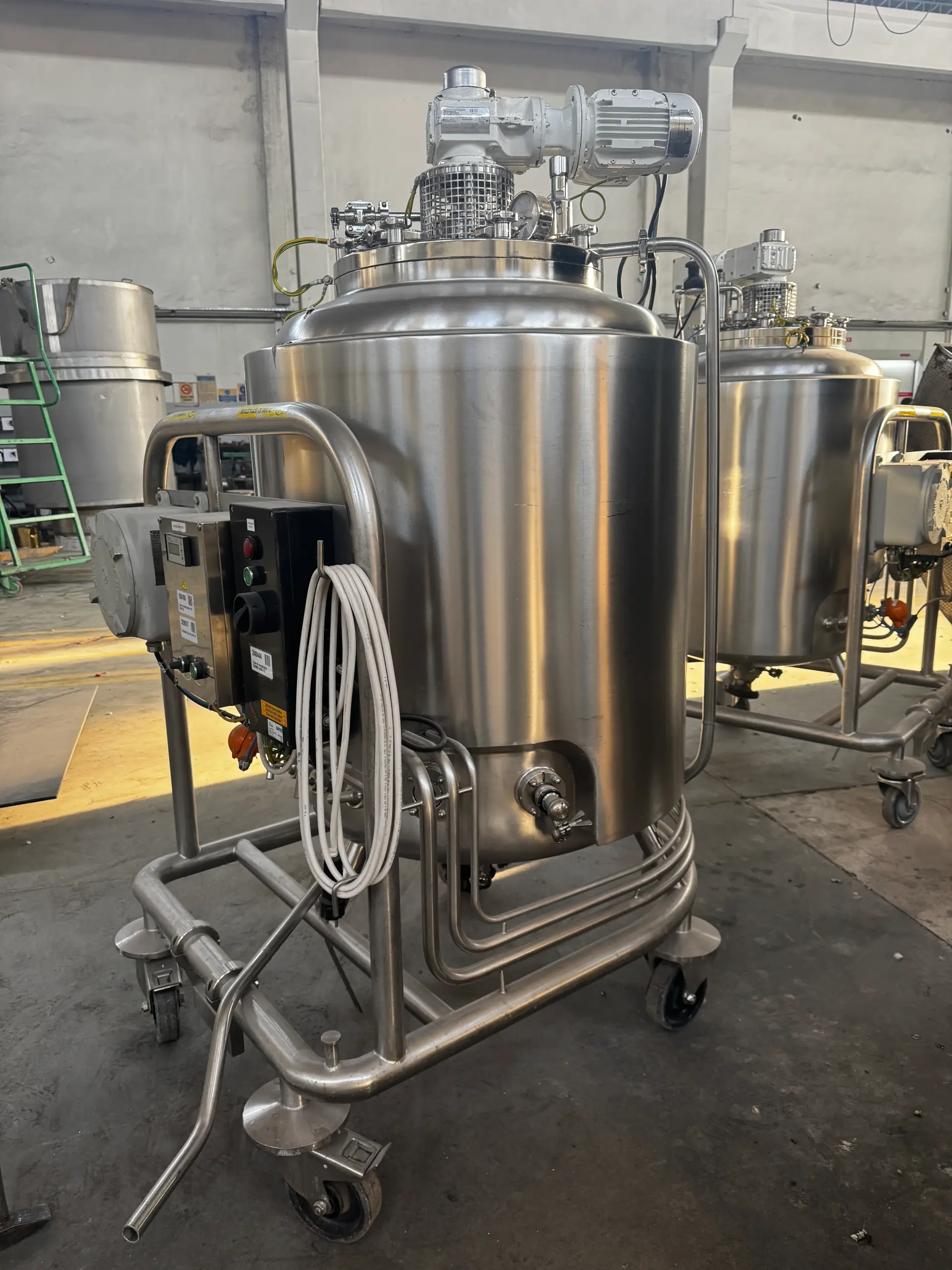
- Special design mixer blades with wave breakers or foam breakers
- ATEX applications in hazardous areas
- Speed control with inverter
- Precise weighing with load cell
- Thermosiphon-cooled mechanical seal or soft seal